When we speak of a renaissance in the arts, it is only natural to reflect on the rich periods of local and regional artistic history that have shaped our nation. Among the many milestones in this journey, the National Theatre stands tall and distinguished. Since its establishment, it has served not only as a premier events venue, but also as a centre for recreation and a landmark destination for both Nigerians and international visitors. Over the years, the serenity and beauty of its environment have been carefully preserved through dedication and sustained effort.
Our halls have hosted historic events, high-level meetings, and memorable gatherings, while our cinema spaces have brought compelling stories to life on screen. These facilities have consistently met the needs of a diverse audience, welcoming guests from across Nigeria and around the world. We take particular pride in preserving the artistic and architectural integrity of this iconic edifice.
We acknowledge with deep appreciation the significant contributions of the Federal Government, as well as the support of corporate organisations, stakeholders, and individuals who have played vital roles in sustaining this national treasure. After a period of decline caused by the deterioration of its facilities, the Theatre received a transformative lifeline through the pivotal intervention of the Bankers’ Committee, whose support made possible the extensive renovation and modernisation now at an advanced stage — ushering in a new era for the National Theatre.
Successive administrations and management teams have also worked to clearly define the distinction between the National Theatre as an architectural monument and the National Theatre as a cultural institution, ensuring greater emphasis on dynamic programming beyond venue hire.
Today, we are proud to invite you on a journey through architectural artistry and renewed splendour as we showcase our state-of-the-art facilities — an experience you will not forget in a hurry.
Theatre shows, concerts, and cultural showcases.
Training sessions, creative labs, and skill development.
A yearly National Theatre Festival of Unity event.
Script readings, stage plays, and dramatic interpretations.
Under the leadership of the GM/CEO, the mandate of the National Theatre of Nigeria is to uphold its role as the nation’s foremost home for the performing arts and cultural expression. The institution exists to present, preserve, and promote the rich artistic and cultural heritage of Nigeria, while fostering a vibrant environment for creativity to thrive. Meet the team.
The National Theatre of Nigeria is the National Home of Entertainment. Built with facilities for stage performances, film shows, art exhibitions, cultural shows, musical performances, conferences, meetings, and even indoor sports, it is envisioned to host daily entertainment activities that are crowd‑pulling and vibrant. Stakeholders in the entertainment industry should see the National Theatre as their number one choice for showcasing works to the public.
The Management is committed to achieving the objectives for which the National Theatre was established: presentation, preservation, and promotion of arts and culture in Nigeria. As a partially commercialized Federal Government parastatal, it is determined to broaden its mandate by becoming more innovative and adventurous in order to survive in a competitive market.
National Theatre, Nigeria, is an architectural masterpiece and cultural landmark located at Iganmu, Lagos. Covering 23,000 square meters and standing over 31 meters tall, it was established to preserve, present, and promote Arts and Culture in Nigeria.
Inspired by the Palace of Culture and Sports in Varna, Bulgaria, the contract for construction was signed on April 24, 1973, during Gen. Yakubu Gowon’s regime with Bulgarian firm Techno Exportsroy.
Though in use since late 1975, it was formally opened by Gen. Olusegun Obasanjo on September 30, 1975, five months before FESTAC ’77. Since then, it has hosted concerts, dramas, film shows, symposia, exhibitions, workshops, and sports.
The Theatre provided venues for the 2nd World Black and African Festival of Arts and Culture (FESTAC ’77), becoming a rallying point for Nigerian and international artistes to share experiences.
Over the decades, the National Theatre has been managed by numerous administrators, General Managers. Each contributing to its legacy.
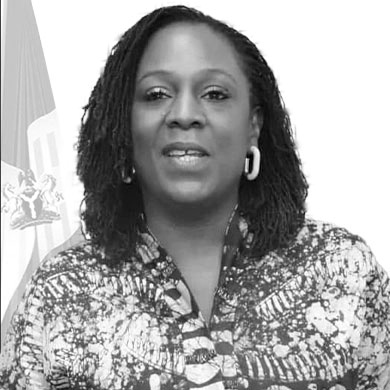
Now, since January 12, 2024, a new General Manager/CEO, Tola Akerele (Mrs), assumed the headship of the National Theatre Management with a new vision and mandate.
The National Theatre renovation started in 2020 post-COVID through a joint collaboration with the government and private sector. The Bankers Committee is made up of banking institutions like Access Bank and Guarantee Trust Bank. The contractor for the renovation process was CAPPA D'ABERTO, who worked along with other subcontractors. The edifice opened sometime in 2025. A committee named SANEF was formed to supervise the activities of the restoration process.
On 1 October 2025, the fully renovated complex was officially commissioned and re-dedicated as the Wole Soyinka Centre for Culture and the Creative Arts by President Tinubu during Nigeria's 65th Independence Day celebrations.
The banquet hall is a multipurpose ceremonial space blending Nigerian art and modern stage with advanced acoustic design.
The theater’s two main display halls are versatile open spaces built to host diverse artistic exhibitions.
The 3 cinemas offer VIP access and heritage‑inspired acoustic design for modern screenings.
It seats about 5,000 people, making it one of Africa’s largest indoor performance spaces (open amphitheatre model).
Quick facts, capacity, architecture, milestone.. some of which you might not know about the National Theatre, Nigeria.
Situated at Iganmu, Lagos — accessible from every corner of the city.
Opened in 1975, hosted FESTAC ’77, and continues to shape Nigeria’s cultural scene.
Guided by visionary leaders, including the current GM/CEO Tola Akerele (2024).
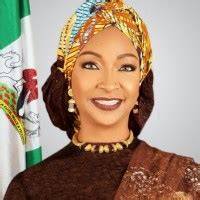
The National Theatre operates under the Federal Ministry of Art, Culture & Creative Economy, ensuring alignment with national cultural policies and creative development strategies.
Hon. Hannatu Musa Musawa, appointed in August 2023, set forth an ambitious 8‑point plan to energize Nigeria’s creative economy, focusing on skills, policy, and protection of artistic works.
..and With visionary GM/CEO Tola Akerele at the helm, it now unites artists, creators, and audiences worldwide..
From timeless plays and trainings to vibrant festivals, the National Theatre is your home of entertainment. Join - Check out Events on..
What's On